October 26, 2026
How long should a machine sit idle before it's worth a sales call
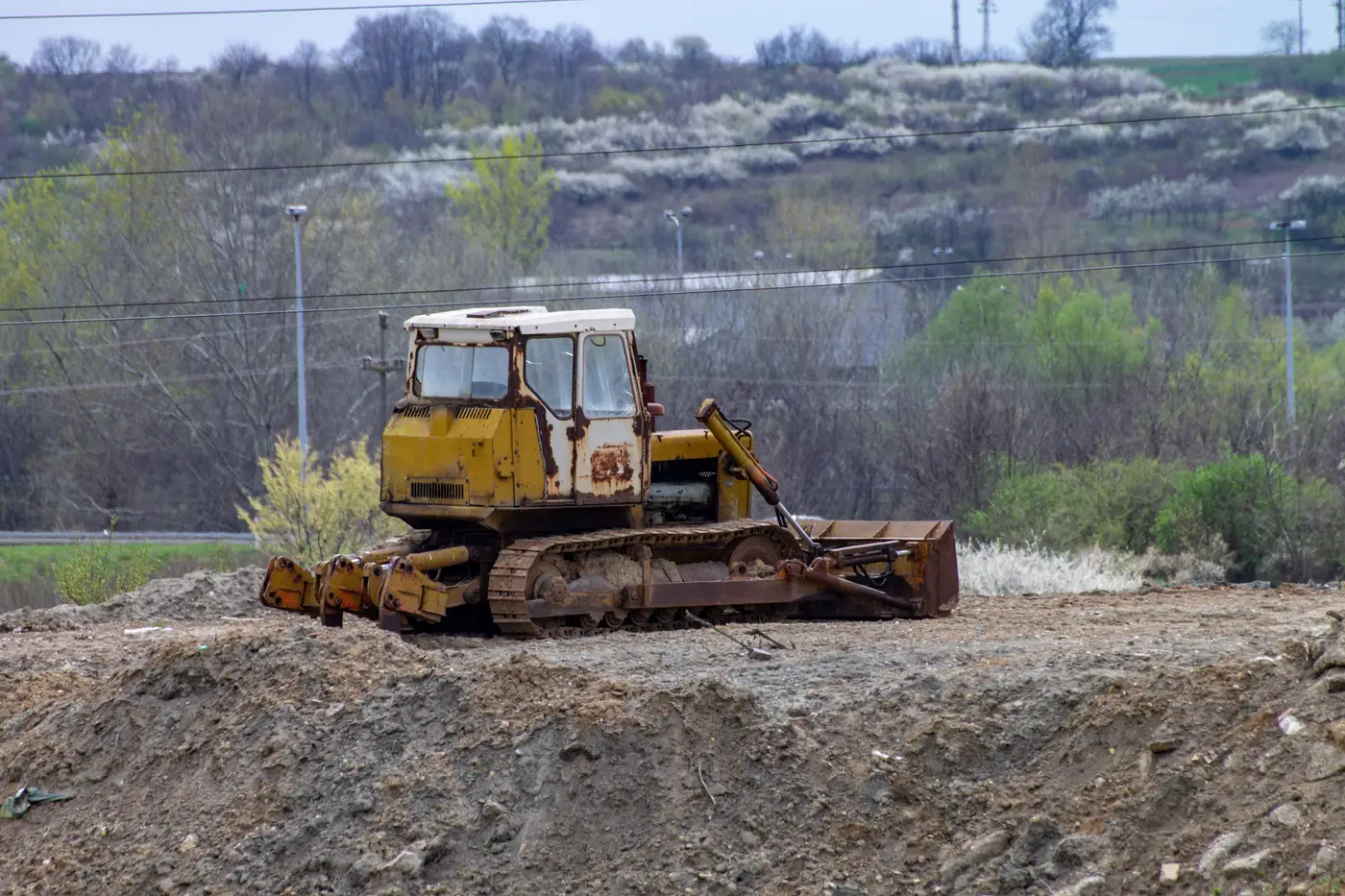
Every rep who's worked a territory long enough has a number in their head. Ten days, three weeks, a month. Past that, a sitting machine starts to feel like an opening. The problem is that number is a guess, and it's usually wrong for at least half your accounts.
A skid steer parked for two weeks at a landscaping outfit in July means something different than a dozer sitting for two weeks at a grading contractor in January. One's probably broken down waiting on a part. The other might just be winter storage, same as every year. Treat both the same way and you either call too early and annoy a customer who's not ready, or you call too late and a competitor's rep already walked the yard.
The pattern matters more than the day count
The pattern matters more than the raw number of days: whether the machine is idle in a way that breaks from how that customer normally runs. A rental house that cycles equipment hard in spring and summer and parks half the fleet every winter is just running its normal cycle in December. That's the pattern you expect from that account. But if that same yard has a wheel loader parked through what should be its busy season, with the bucket still down and no tracks leading in or out, that's a machine that isn't working and might not be coming back into rotation.
A day count alone won't tell you much. What matters is how long the machine has sat relative to that account's normal cycle, and whether the idle time lines up with something else: a competitor's rig showing up on the same lot, a new pad getting cleared next door, a crew that's clearly shrunk. Stack idle time with one of those signals and you've got a lead worth a call.
What turns a parked machine into a lead
A few things, stacked together, are worth more than any single idle-day threshold:
Age against duty cycle matters. A ten-year-old articulated hauler sitting for three weeks reads differently than a two-year-old one sitting for three weeks. The older machine is closer to the point where a repair bill starts looking like a down payment on something new.
Season against machine type matters too. Earthmoving iron parked during grading season is a stronger signal than the same machine parked in the slow months everyone in that trade expects.
And context around the site matters more than the clock. A machine down next to a newly cleared expansion pad, or next to a competitor's unit that showed up last month, is a different conversation than a machine down on an otherwise unchanged yard.
None of this is something a rep can track by driving the territory once a month and eyeballing who's parked where. Most of us tried that for years. You remember the big accounts and miss the ones that didn't make an impression last time you drove by, and by the time you notice a pattern, it's because a competitor already closed it.
That's the gap a monthly pass over your territory closes. Instead of relying on memory for which yards looked different last time, Fleet Sales Leads turns what changed at each site, a machine that's stopped moving, a competitor's unit on the lot, a new pad cleared, into a dated, ranked line on a lead sheet with the coordinates attached. You're looking at what changed between visits and deciding which calls to make first, with the pattern already flagged for you.
The idle-days question will never have one right answer, because the right answer is different for every account on your list. What you need is a way to catch the change when it happens, instead of trying to remember it three weeks later. If you're ready to stop driving the list from memory, that's the whole point of what we built.